End ballot harvesting in Los Angeles!

A campaign to restore a verifiable chain of custody for every ballot in Los Angeles County.
Join the campaign
Get updates from BLIP. No spam, no sharing your information.
What California's ballot rules leave open.
California is one of 17 states that let a voter hand their ballot to any third party, not just family or a caregiver.
Source: NCSL Table 10, Ballot Collection Laws.The cap California sets on how many ballots one collector can gather and turn in. There isn't one.
Source: NCSL Table 10; CA Elections Code 3017.Once your ballot leaves your hands, nothing records who held it or what they did with it. There is no way to prove what happened.
See the missing chain of custody, below.- Nearly 150,000 mail ballots rejected in California's primary despite efforts to count every voteRead the articleAssociated Press, July 2026
- Community Leader Says Now Is Not the Time to Spend More on Homelessness, Urges 'No' Vote on Measure ARead the articleWestside Current, October 2024
Hear it from Daphne.
Daphne Bradford breaks down ballot harvesting and why the chain of custody matters, in her own words.
Your ballot is your vote.Not someone else's.
Your ballot is your voice. The moment it leaves your hands, it should travel one clear, secure path to the count. It should never sit in the trunk of a paid operative's car, in a campaign office, or in anyone's backpack for days with no record of who touched it.
That is what ballot harvesting allows. In 2016, California changed the law so that any person can collect and return another voter's ballot, and it set no limit on how many ballots one person can carry. The rules that protect a ballot inside a polling place simply do not follow it once a private collector takes it.
This is not a partisan issue. A ballot with no chain of custody is a risk to every voter, in every party, in every neighborhood.
- A Easy to cast a vote. Hard to buy a vote.
- B Every ballot deserves a secure, verifiable chain of custody.
- C We answer to voters, not to any party or any campaign's turnout operation.

The missing chain of custody.
California law leaves several gaps between your ballot and the county.
Any third party may collect and return your ballot. Not just family. Not just a caregiver. Anyone.
California bans paying someone per ballot, but not paid collection itself. A campaign or group can still put people on a wage or a flat fee to gather ballots door to door.
There is no limit on how many ballots one collector can gather and turn in at once.
No ID and no signature check for the person handing over a stack of ballots.
A collector is asked to return a ballot within three days, but the same law says a late return will not disqualify it as long as it arrives before polls close. The deadline has no teeth.
This is not hypothetical.
An absentee-ballot collection operation led the State Board of Elections to order a new election in the 9th Congressional District.
A judge invalidated a city council election run by mail, and the state charged multiple people with election fraud. Framed here as a chain-of-custody failure.
It's already happening close to home.
A longtime paid petition circulator was federally charged in May 2026 with paying people on Skid Row, two to three dollars at a time, to sign petitions submitted to register to vote. She has agreed to plead guilty. When signatures and registrations can be bought, the chain of custody is broken before a ballot is even issued.
In 2020, state officials reported unauthorized ballot drop boxes in Los Angeles County and sent cease-and-desist letters to stop their operation. The Los Angeles County Registrar said official boxes must meet state security standards and bear the County logo.
Source: California Secretary of StateSource: LA County Registrar
In October 2024, a Sierra Madre resident told ABC7 he found nearly a dozen mail-in ballots and other mail in a storm drain. The report does not establish who put them there or whether any vote was affected.
In August 2021, Torrance police found more than 300 unopened recall-election ballots in a vehicle with other stolen mail. The County Registrar said there was no indication of an effort to influence the recall.
Where California stands.
Many established democracies restrict domestic mail voting. France banned postal voting in 1975 after fraud. Some states go further: Alabama allows no one but the voter to return a ballot, and Oklahoma bans ballot harvesting by name. California allows any person to collect an unlimited number of ballots. We want Los Angeles County to lead the way back to a verifiable vote.
- 01 End unlimited third-party ballot collection in Los Angeles County.
- 02 A verifiable chain of custody for every ballot.
- 03 Equal protection for every voter, in every party.
- 04 Transparency and accountability in how ballots move.
Who is BLIP?
BLIP is dedicated to combating voter apathy and protecting the vote across Los Angeles County. We bring together Democrats, Republicans, and independents who agree on one thing: the rules of our elections should be fair, transparent, and accountable to voters, not to any party or any campaign's ground game.
We help residents make sense of local elections, from the candidates and ballot measures to how and where to register. We educate voters, we empower constituents, and we work to end voter apathy from local races on up.
- Voter-first.
- Nonpartisan by design.
- Accountable to the people, not the parties.
Leadership and legacy.
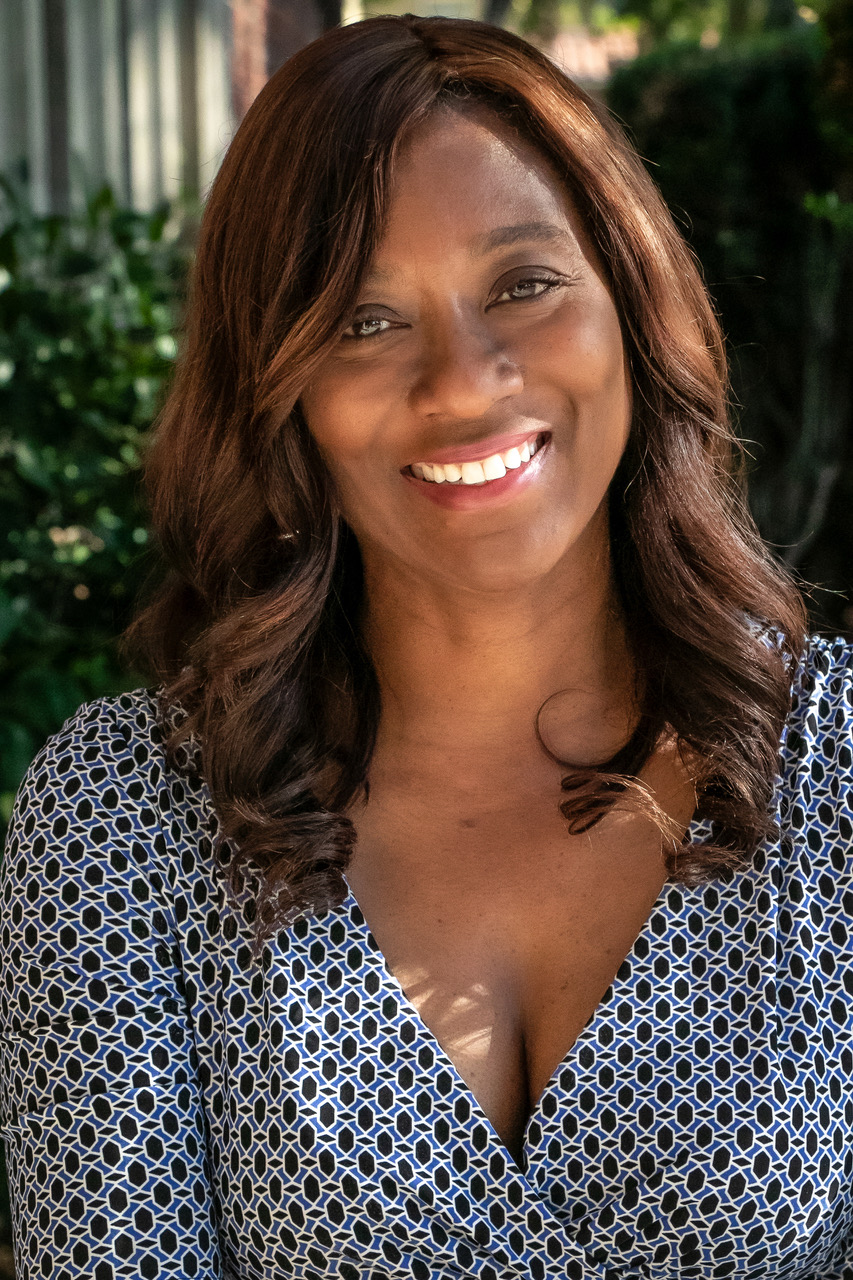
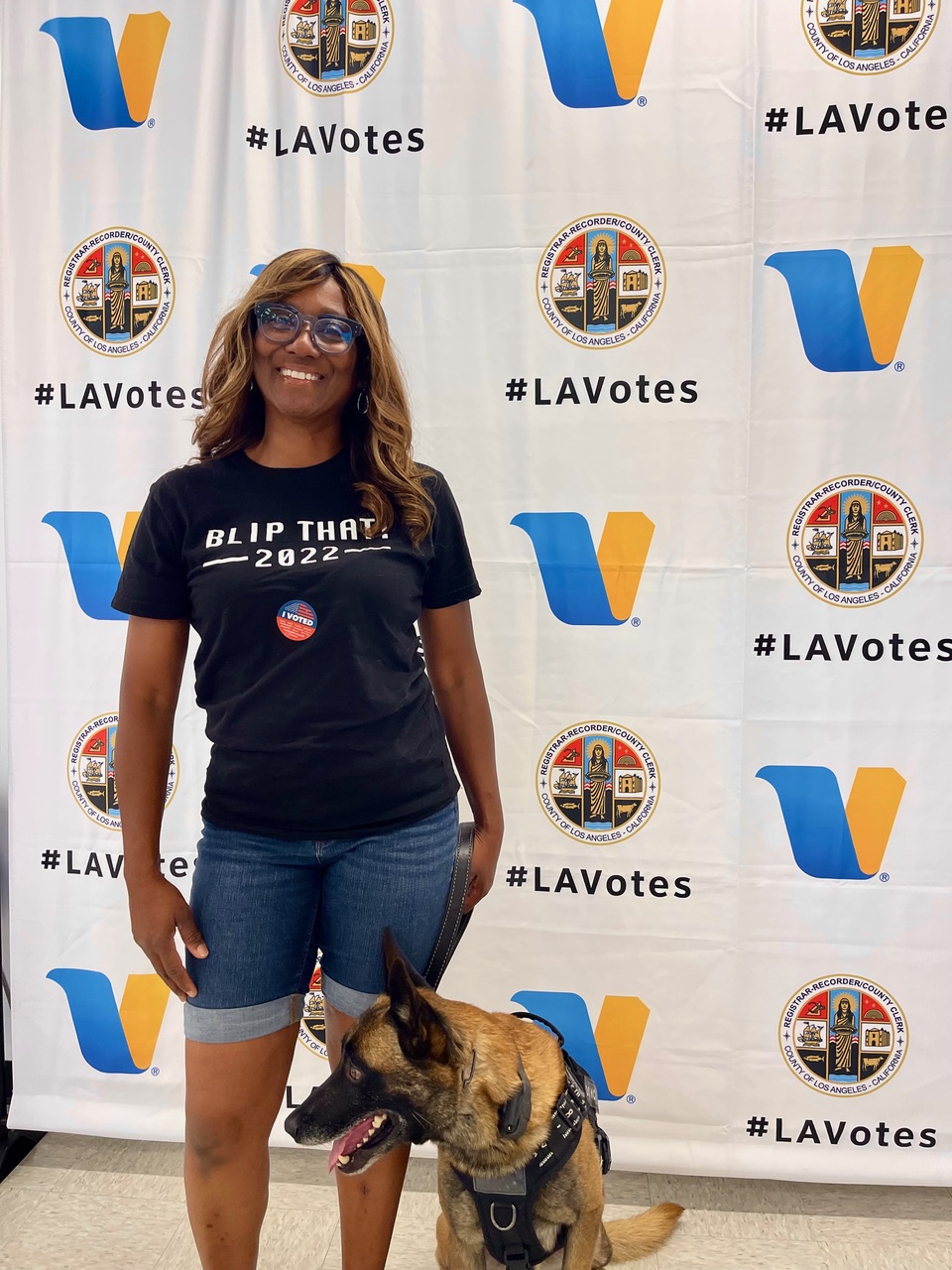
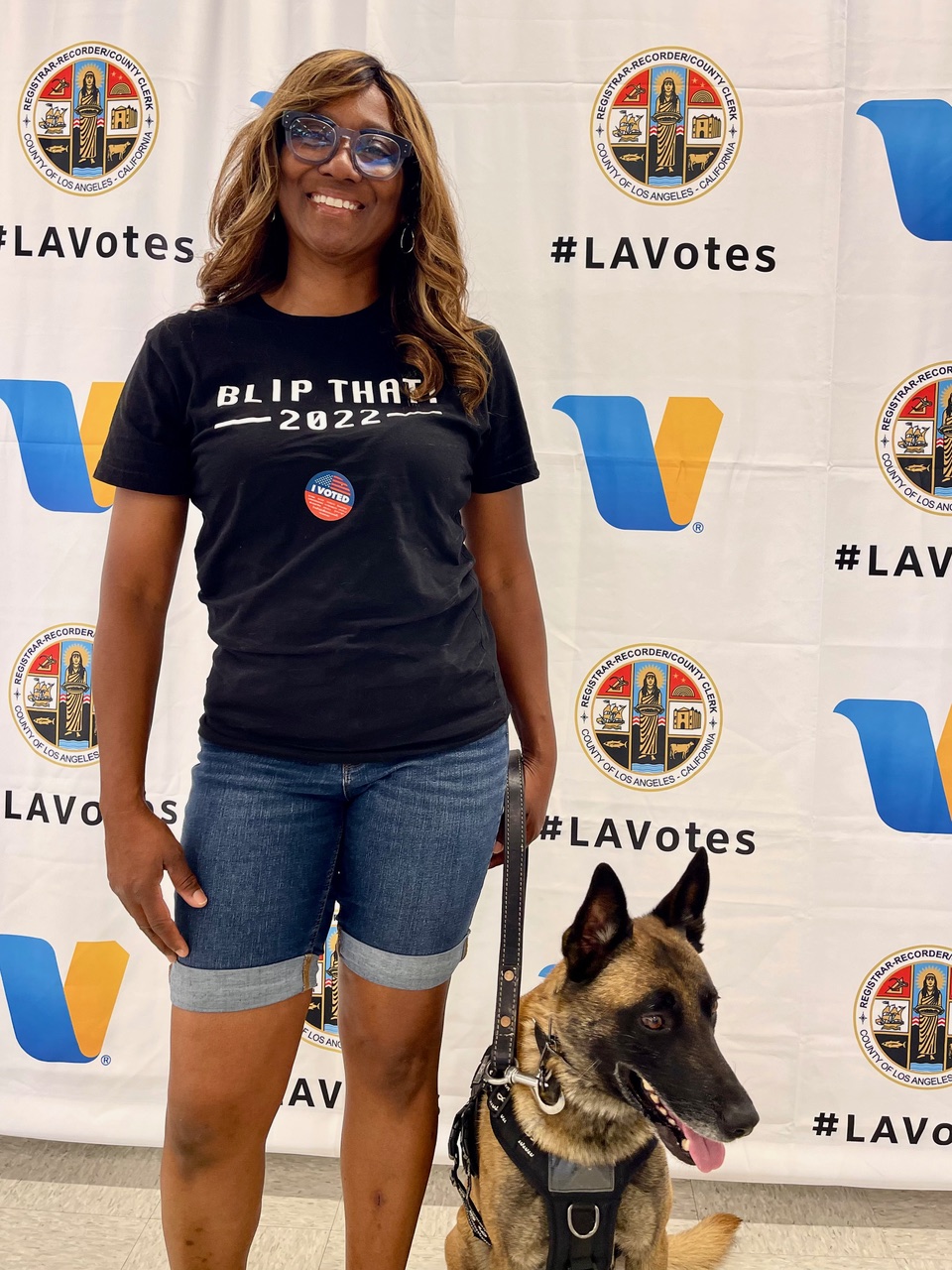
A nationally recognized Los Angeles educator and civic engagement advocate who founded BLIP in 2022. Daphne has been recognized as a White House Connected Educator Champion of Change, an Apple Distinguished Educator, and a Microsoft Innovative Educator, and she received the College Board AP Computer Science Female Diversity Award in 2019 and 2020. During Daphne's 2024 run for Los Angeles County Supervisor she saw how ballot harvesting was reaching vulnerable residents, and that pushed BLIP toward one demand: a transparent, accountable chain of custody that protects every voter.
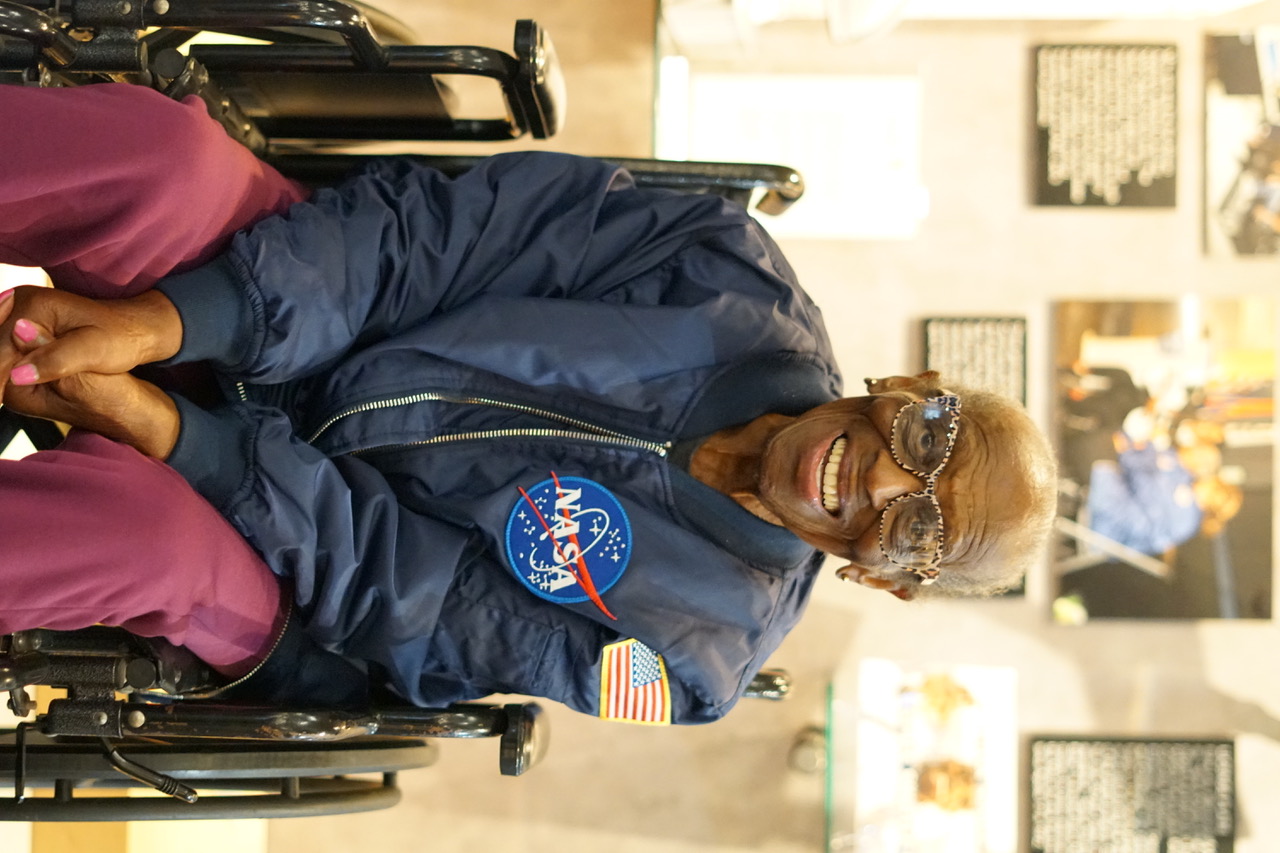
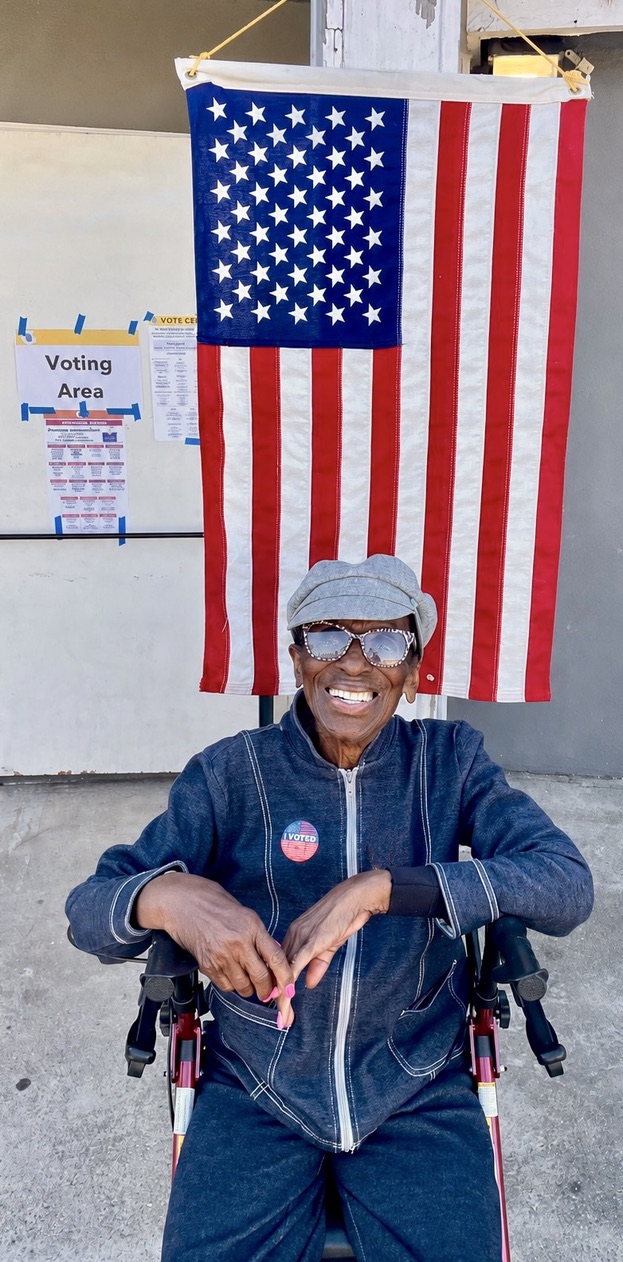
At 100, and born before the Voting Rights Act of 1965, Ethel still votes in every election. Ethel is also a NASA legend who contributed to the Apollo program and helped build NASA's Space Shuttle fleet from Downey, California. The grandmother of Daphne, she votes in person, and when Ethel needs help she authorizes a trusted family member to hand her ballot directly to an official vote center or the county registrar in Norwalk: a known person, a traceable path.
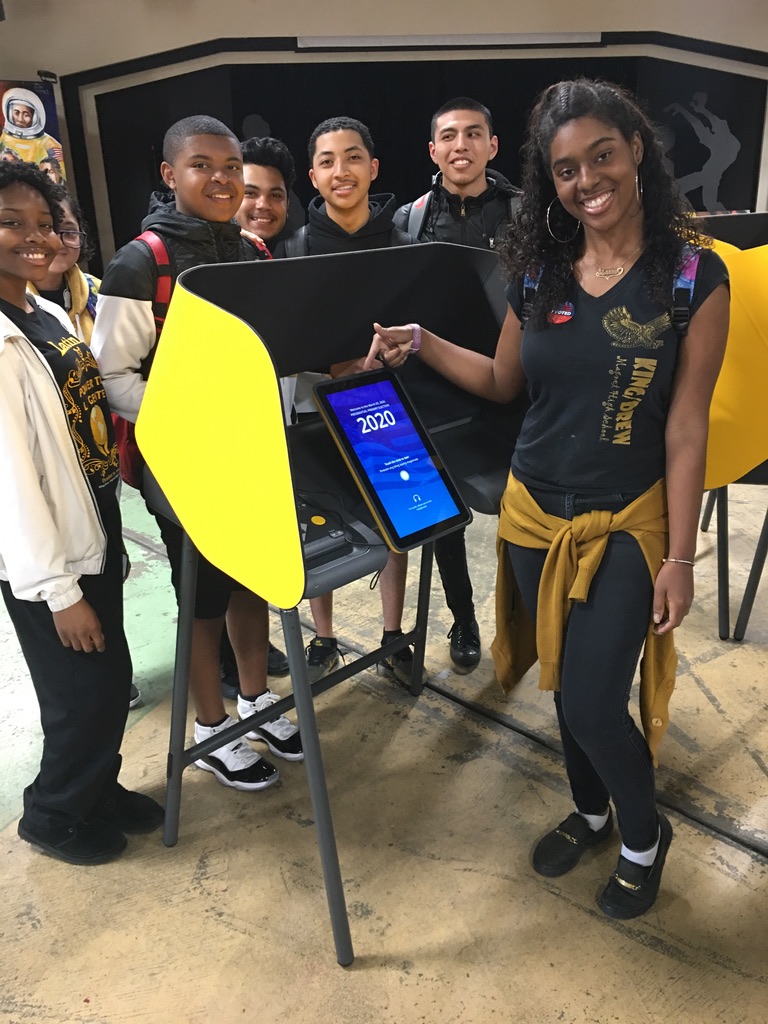
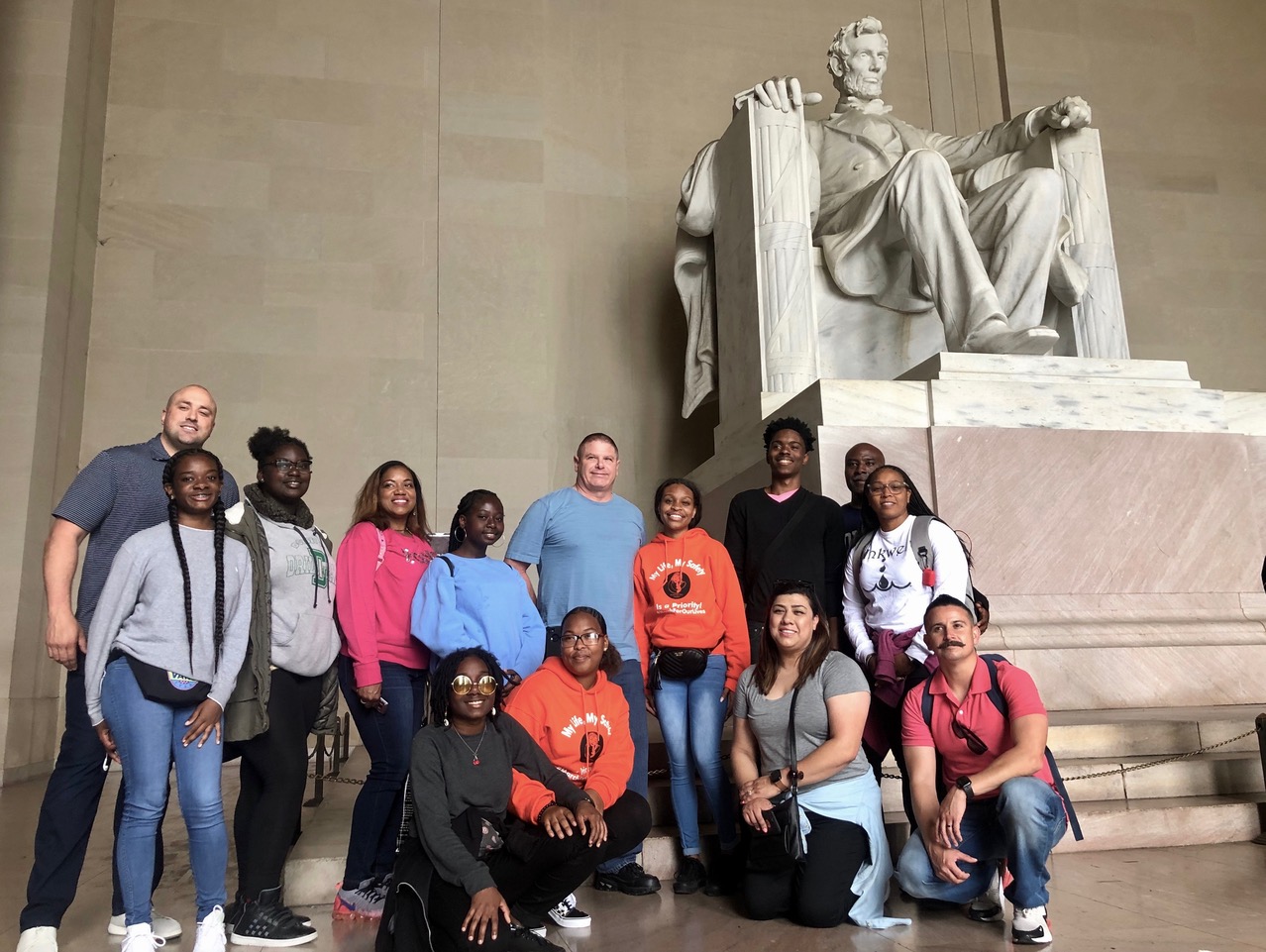
Daphne teaches high school students to study the issues, weigh candidates, and build their own slate, then brings graduating seniors to the vote center to cast their first ballots in person. Civic responsibility, learned early.